Beyond Doctrines: When Churches in the DRC Unite to Respond to Humanitarian Crises
The Democratic Republic of Congo is a deeply faithful nation where the Church enjoys major public trust and socio-political influence. However, faced with the scale of the ongoing socio-security precariousness, isolated actions from single denominations are no longer enough
Overcoming Barriers for Humanitarian Urgency
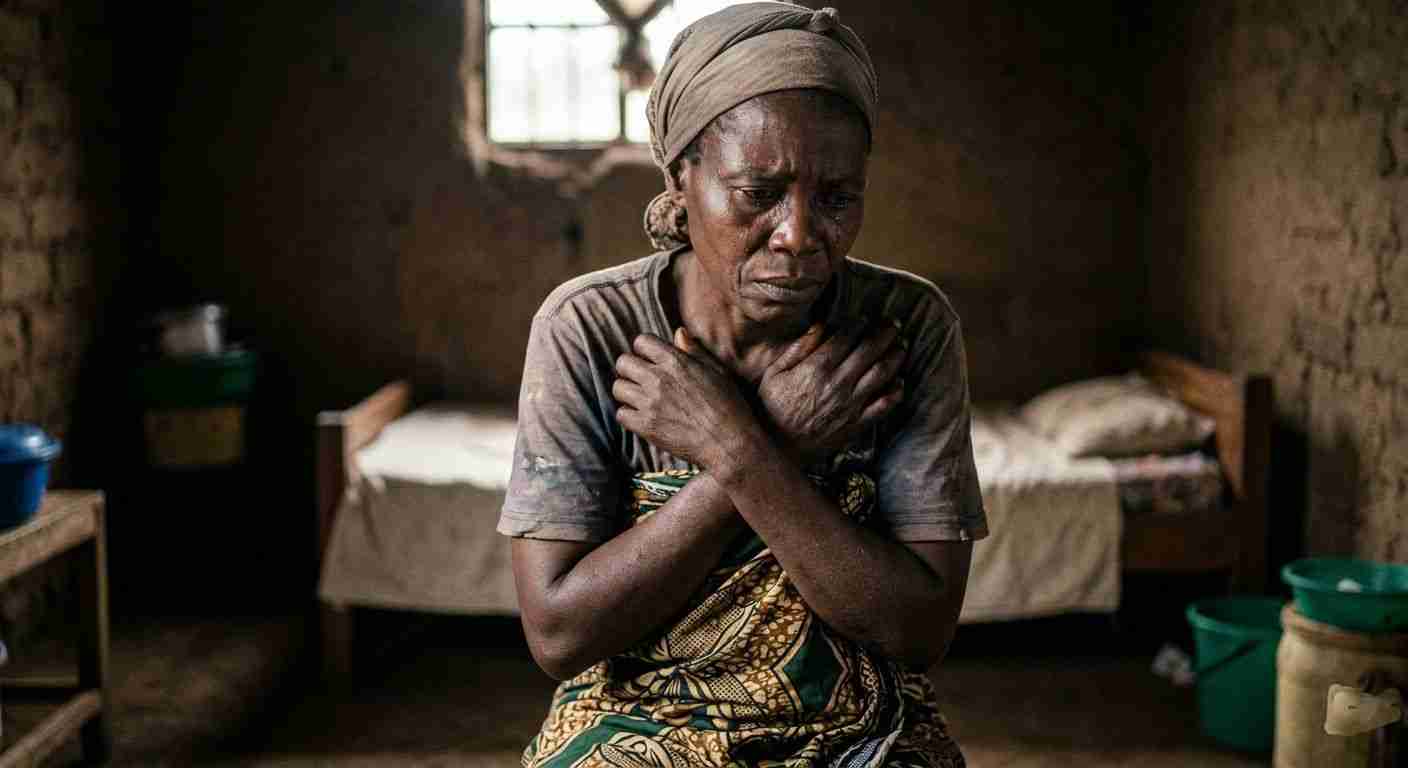
Theological or dogmatic differences have historically slowed down cooperation between religious institutions. Yet, when faced with hunger, disease, or forced displacement, human needs do not have a confessional color
Why Unity is Strength on the Congolese Ground
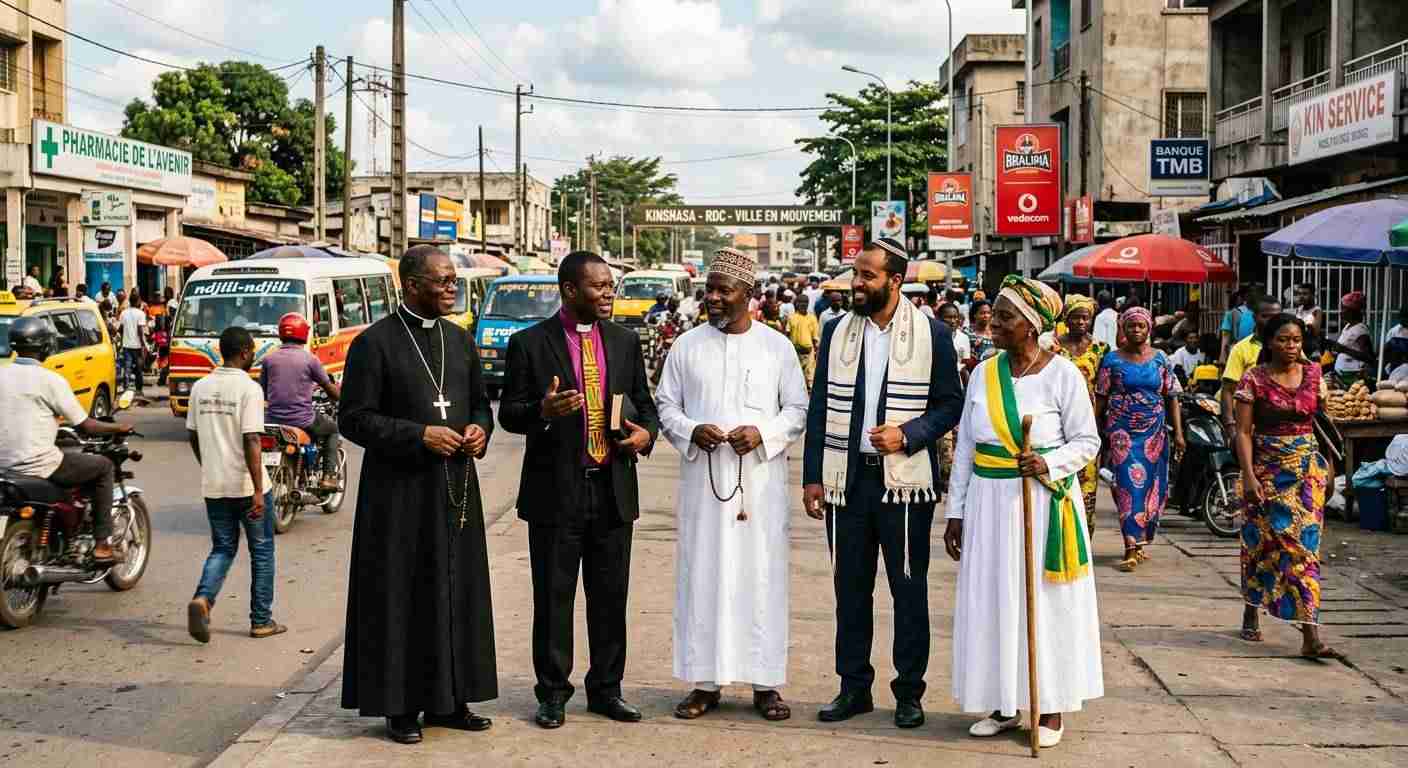
Pooling the efforts of different Churches through the NFAF platform offers three major strategic advantages:
Comprehensive Needs Mapping: Each Church possesses a unique local footprint, sometimes in the most remote areas of the country. By uniting our networks, we gain a global and precise view of emergencies.
Optimized Logistics: Sharing infrastructures (premises, health centers, schools) allows us to deploy humanitarian aid and educational programs much faster and at a lower cost
. A Unified Prophetic Voice: When tackling social injustices and governance issues, advocacy carried out with a single voice by all religious leaders has an infinitely more powerful impact on local and international authorities
.
NFAF as a Platform for Convergence
Embedded in the very first objective of our bylaws, our role is to act as a neutral facilitator and coordinator
The development of the DRC will not happen in a scattered order. By tearing down the invisible barriers that separate believers, the NFAF demonstrates that a shared faith can be the most powerful driver of resilience and social justice in our country