Healing Invisible Wounds: Why Mental Health is the Forgotten Pillar of Reconstruction in the DRC
Behind the staggering numbers of armed conflicts and population displacements in the Democratic Republic of Congo lies a silent yet devastating reality: psychological trauma
The Weight of Cumulative Trauma
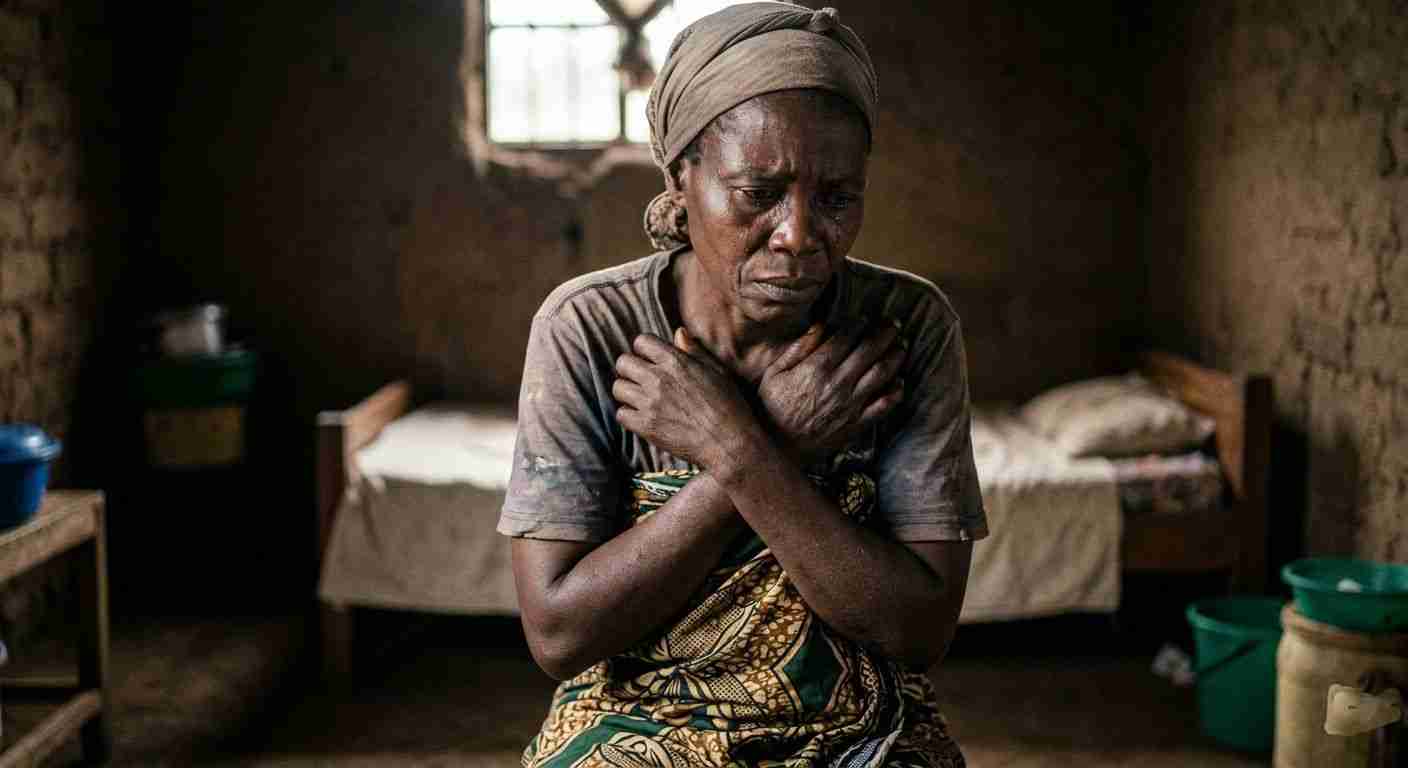
Living through conflict means facing the brutal loss of loved ones, the destruction of one's home, and all too frequently, extreme violence. These events do not simply vanish when a superficial calm returns. They mutate into post-traumatic stress disorder (PTSD), severe depression, or chronic anxiety. In the DRC, entire generations are growing up in this climate of fear, sometimes unconsciously passing these traumas down to their children.
Breaking the Cultural Taboo
In many communities, expressing psychological suffering is still perceived as a sign of weakness, or sometimes misinterpreted solely through a spiritual lens. As a result, those suffering from trauma lock themselves in isolation out of fear of being stigmatized.
Our Approach: Faith and prayer are powerful anchors, but they must go hand in hand with clinical and therapeutic care. Acknowledging one's pain and seeking professional help is an act of courage, not a spiritual failure.
NFAF in Action: Holistic Care on the Ground
In alignment with our statutory goals, the NFAF integrates mental health support into the very core of its public health initiatives and mobile clinics
Psychological Counseling and Listening: Creating safe spaces within communities to allow survivors to speak out freely without fear of judgment.
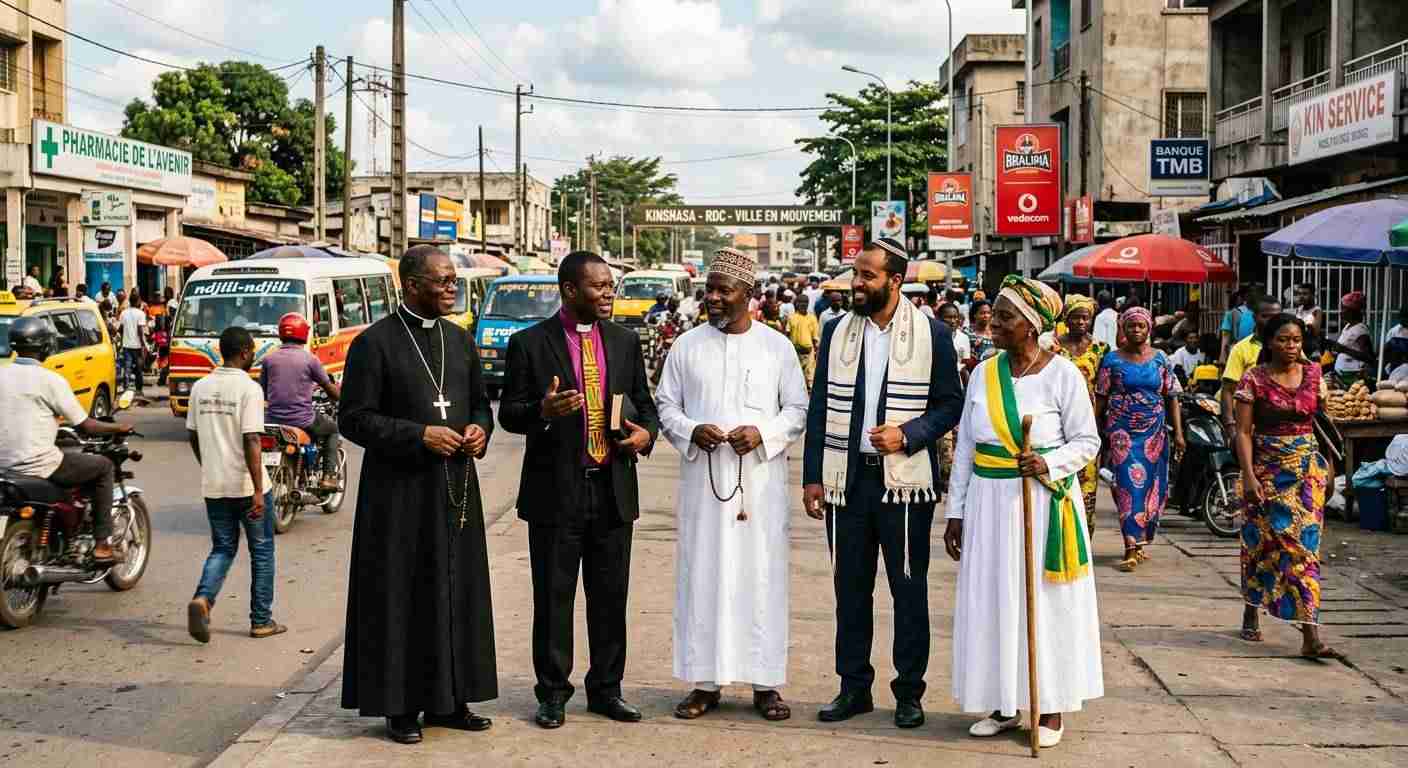
Community Leaders Training: Equipping pastors and local actors with the necessary tools to identify signs of psychological distress and properly refer individuals to specialists
. Collective Resilience: Implementing art therapy workshops and support groups to restore the social fabric and mutual trust.
Sustainable peace in the DRC will not only be measured by the absence of conflict, but by the deep healing of hearts and minds